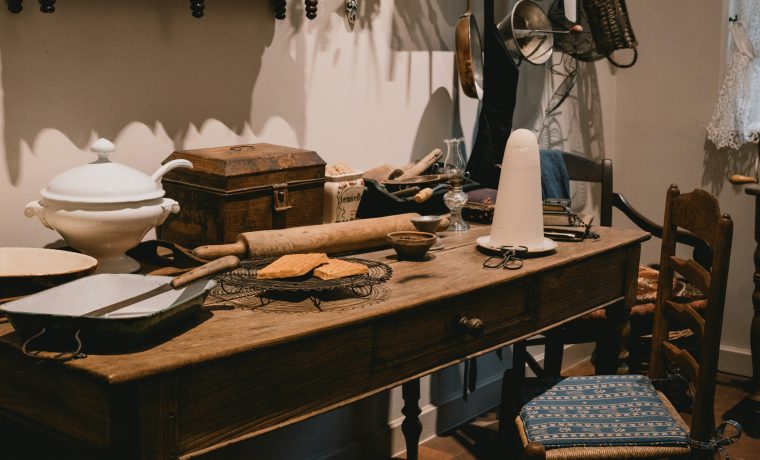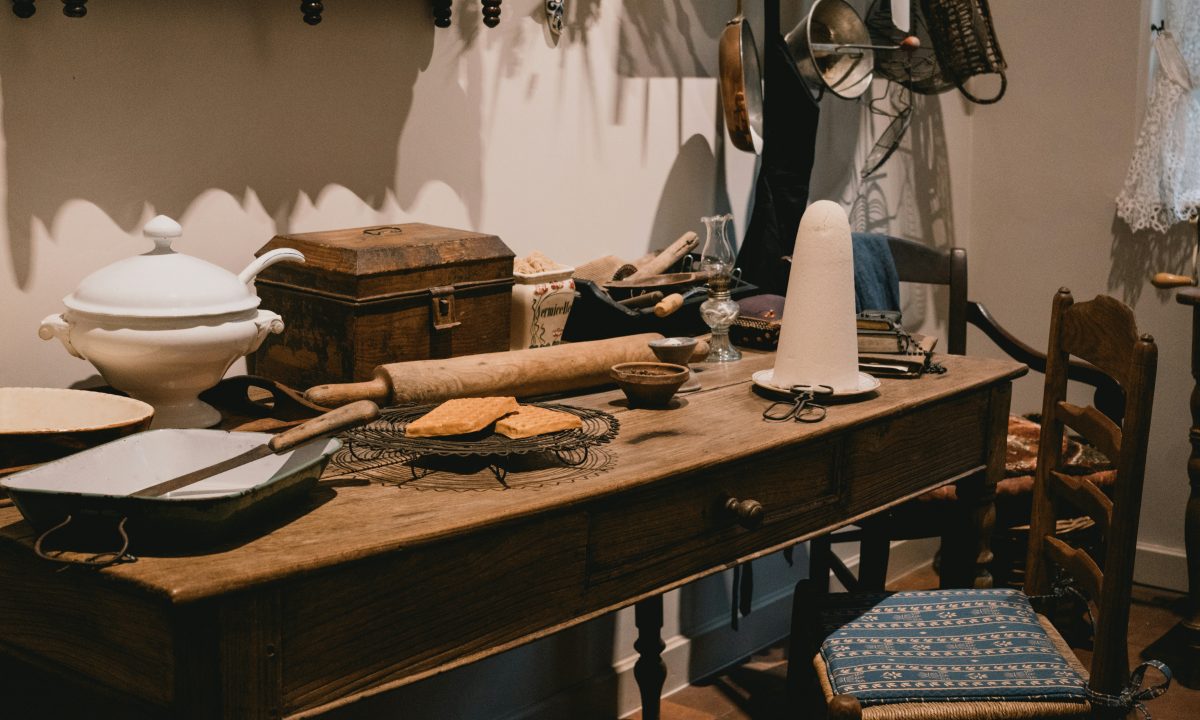
Some of the strongest food memories begin with an invitation rather than a recipe. Someone pulls a chair toward the counter and says, “Come help me.” There is a bowl to hold, fruit to wash, or a little flour to measure. The job may be small, but being included changes the experience. The kitchen becomes a place where knowledge is passed along naturally.
For children, helping with a bake can be an early lesson in patience and observation. For adults, it can be a way to reconnect with a relative or friend. The finished treat matters, but the shared time often stays in memory longer than the exact measurements.
Give everyone a real role
Choose tasks that match each person’s comfort and ability. A young helper might wash fruit, line muffin cups, stir a cool mixture, or sprinkle a topping. Older children can measure dry ingredients, crack eggs into a separate bowl, or read the next instruction. Adults should handle hot pans, sharp tools, and appliances when needed.
Let helpers contribute to decisions too. Ask whether the muffins should have blueberries or chocolate chips, or invite someone to choose a finishing sprinkle. Small choices make participation feel meaningful without putting the recipe at risk.
Teach the cues, not only the steps
Recipes explain what to do, but experienced bakers also notice what ingredients look and feel like. Show how softened butter differs from melted butter. Let someone see how flour disappears into a batter when folded gently, or how dough changes after a short rest. Explain why the oven needs to be preheated and why a cake should cool before it is sliced.
These observations are useful because they travel from one recipe to another. A person who learns to recognize a properly creamed butter-and-sugar mixture can use that knowledge in many cakes and cookies. A helper who understands why dough rests may become more patient with other baking projects.
Make room for the imperfect moments
Shared baking is rarely tidy. A little flour may land on the floor, a spoon may be licked before it reaches the sink, and the first muffin may be slightly uneven. Set reasonable boundaries for cleanliness and safety, but resist the urge to correct every small imperfection. The goal is participation, not a perfectly styled kitchen.
If a recipe goes wrong, explain what might have happened in a calm, practical way. Perhaps the oven was too hot or the batter was mixed for too long. This shows that mistakes are part of learning rather than something to hide.
Keep a record of the people and the bake
After the kitchen is clean, write the date on the recipe and note who helped. A quick photograph of the finished tray or a sentence about a funny moment can become a keepsake. If the recipe becomes a family favorite, add the helpers’ suggestions to the next version.
Over time, these small sessions create traditions without requiring a special occasion. A rainy afternoon can become muffin day; a birthday week can include a familiar cake made together. The recipe may be passed down, but so is the feeling of being welcomed into the process.
The most meaningful baking memories are often ordinary: a warm kitchen, a shared bowl, and someone making space at the counter. When we invite another person to help, we pass along more than a method. We give them a reason to return to the kitchen and, one day, invite someone else in.