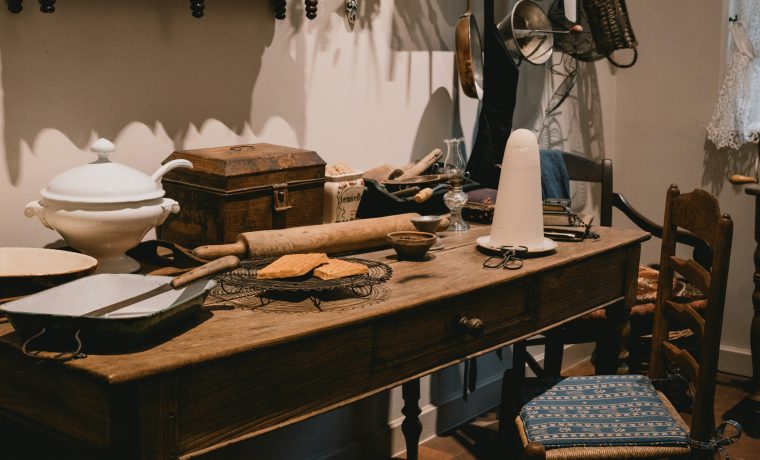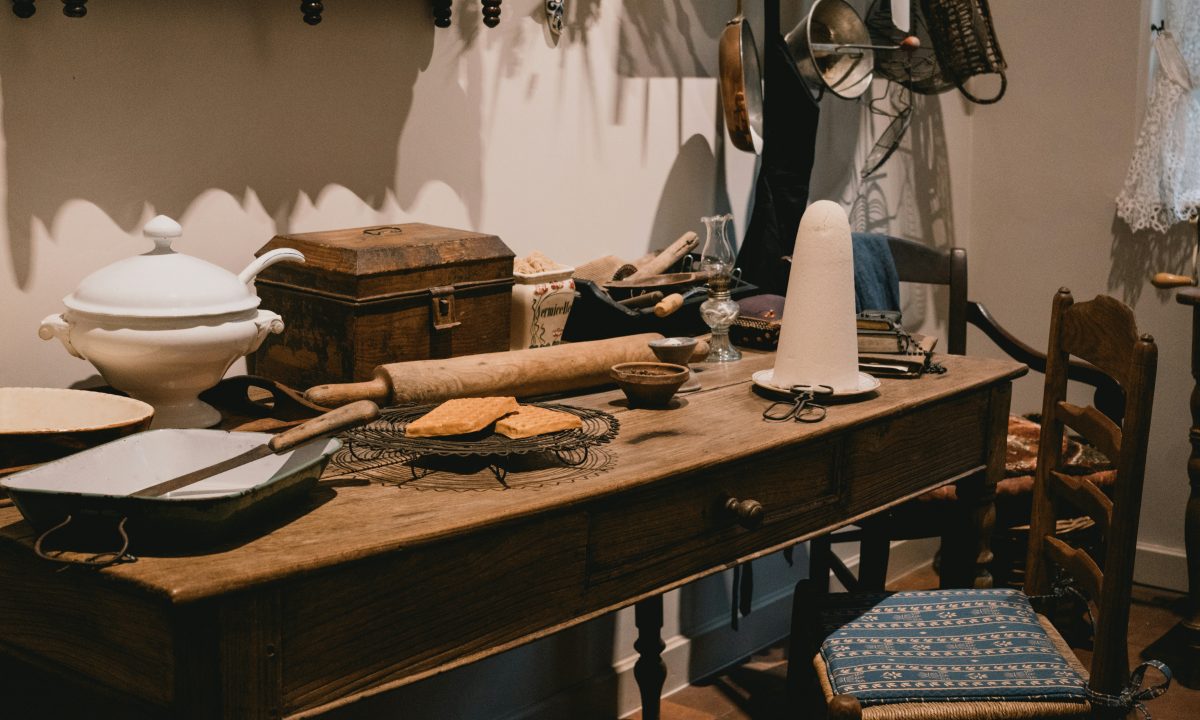
Every kitchen has its own rhythm. In some homes, it begins with a bowl set on the counter after breakfast; in others, it is the quiet routine of preparing something sweet before friends arrive. A recipe can become part of that rhythm when it is easy to return to, generous enough to share, and flexible enough to welcome a new pair of hands.
The recipes people remember are not always the most elaborate. Often they are the ones made repeatedly: a tray bake for school events, a loaf cake for weekend visits, or cookies mixed while someone tells a story. The familiarity is comforting, but the act of making the bake together is what gives it meaning.
Choose a recipe that invites participation
A shared kitchen project should have jobs for more than one person. One helper can measure dry ingredients, another can prepare fruit, and someone else can line the pan or set out the cooling rack. Simple tasks make the process feel collaborative without making the recipe difficult to manage.
For younger helpers, choose safe activities such as washing berries, stirring a cool mixture, or sprinkling a topping. Adults should take responsibility for hot trays, sharp tools, and appliances. Explain what each step does rather than simply assigning tasks. Measuring flour, for example, is a chance to show why weighing ingredients can improve consistency.
Keep the method clear and repeatable
Before beginning, read the recipe from start to finish and gather the ingredients. Check which items need to soften, chill, or melt, and prepare the pan before mixing. This small pause prevents interruptions once the batter is ready and gives everyone a clear idea of what comes next.
Use the recipe’s visual cues as well as its timings. A cake batter should be mixed according to its method, not stirred endlessly in pursuit of a perfectly smooth appearance. Cookie dough may need to chill before baking. A loaf should cool before slicing so its crumb has time to settle. These are useful lessons that carry over to many other recipes.
Let the small imperfections happen
When several people bake together, the counter may become dusty and the shapes may be uneven. That is part of the experience. Set sensible expectations for cleanliness and safety, but do not turn every small mistake into a correction. A slightly lopsided muffin can still taste wonderful, and a dropped spoon can simply be washed before the work continues.
If something goes wrong, treat it as a chance to learn. Cookies that spread too much may have been made with very soft dough or placed on a warm tray. A dense cake may have been overmixed after the flour was added. Talk through one possible cause at a time and make a note for the next attempt.
Save the story with the recipe
After the bake has cooled, write down who helped and what you made. Add a note about a successful variation or a funny moment. A photograph of the finished tray can be useful, but the details in the margin are often what make a recipe personal. Over time, those notes become a record of how the recipe changed as different people joined in.
Keep the original method intact and write variations separately. That way, the next baker can choose the familiar version or try a new idea without losing the details that made the first batch special. If you share the recipe digitally, include the pan size, oven setting, and any important timing notes.
A tradition grows one bake at a time
There is no need to wait for a birthday or holiday to make a kitchen tradition. A rainy afternoon, a quiet weekend, or a visit from a friend can be reason enough. The recipe may change with the seasons, but the invitation to take part can remain the same.
In the end, the most memorable part of a shared bake is often not the decoration or the perfect slice. It is the time spent around the counter, learning a small skill and making something that can be passed around. A recipe brings people back when it carries that feeling of welcome.