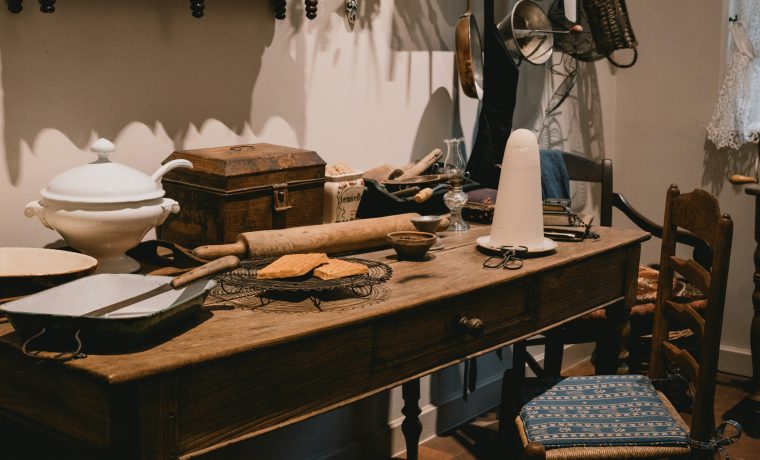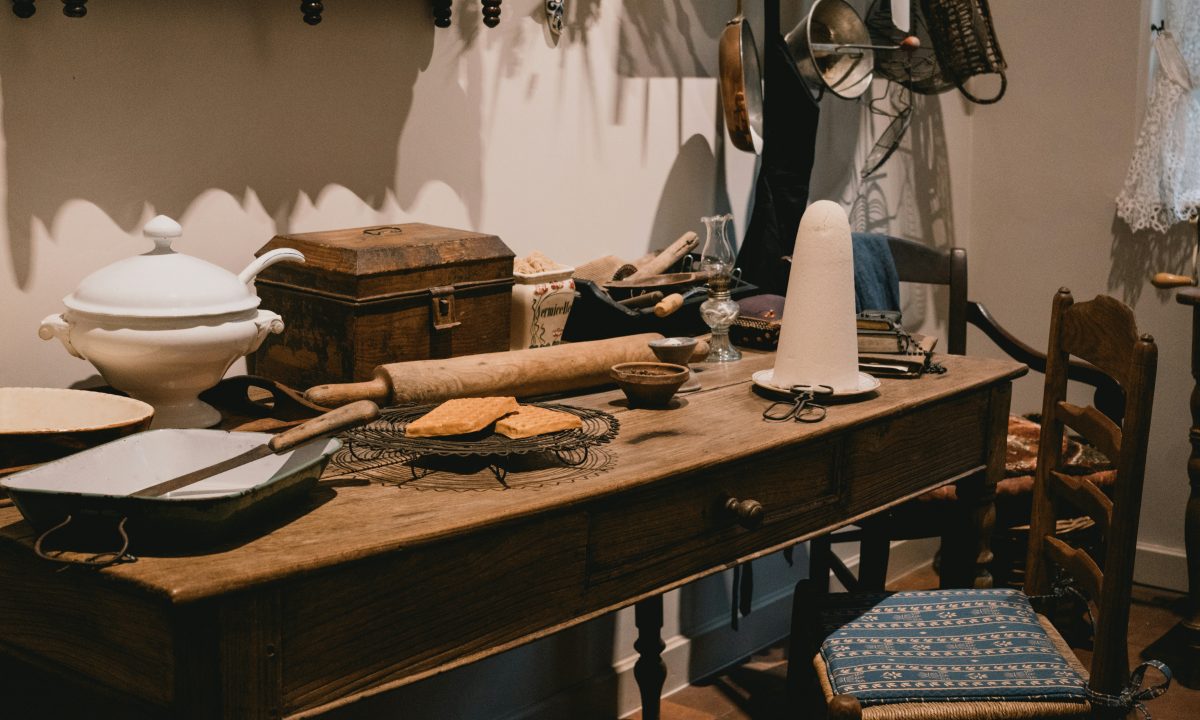
There is a particular kind of calm that arrives when a kitchen begins to smell of butter, sugar, and something warming in the oven. On a Sunday afternoon, baking can feel less like a task and more like a small ritual: clear a corner of the counter, put the kettle on, measure a few ingredients, and let the day slow down.
The appeal is not simply the finished cake or tray of biscuits. It is the sequence of ordinary actions. Butter softens while the oven preheats. A mixing bowl becomes dusted with flour. The first scrape of a spatula gathers the mixture from the sides. These moments give the afternoon a gentle structure without demanding a strict schedule.
Start with a bake that leaves room to breathe
A ritual works best when the recipe suits the time available. Choose something familiar rather than a complicated project with several components. A simple loaf cake, shortbread, fruit crumble, or batch of cookies can be satisfying without turning the kitchen into a production line.
Read the recipe once before beginning, then set out the ingredients and equipment. This small preparation prevents the familiar mid-recipe scramble for baking powder or a missing pan. It also makes the process easier to share: someone can zest a lemon while another measures flour, and nobody needs to rush.
Let the senses guide the process
Baking offers useful cues beyond the timer. Butter and sugar become paler as they are creamed. A properly mixed cake batter looks cohesive rather than streaky. Cookie dough may feel soft but should still hold its shape when scooped. Learning to notice these changes makes a baker more confident over time.
Smell is part of the experience too. Vanilla, citrus zest, cinnamon, and toasted nuts can make a kitchen feel welcoming long before the bake is ready. Keep a note of combinations you enjoy. A little orange zest in a plain loaf or a pinch of cardamom in a crumble topping can make a familiar recipe feel personal.
Make the ritual easy to repeat
Keep a short list of dependable recipes and the ingredients they require. Flour, sugar, baking powder, eggs, butter, oats, and a few pantry flavorings provide a useful starting point. Store tools where they are easy to reach, and wash as you go so the final cleanup does not overshadow the pleasure of baking.
There is no need to make every Sunday bake elaborate or picture-perfect. Some weeks the cake may be slightly uneven or the cookies may spread more than expected. Those small imperfections are part of learning, and they rarely make a homemade treat less enjoyable.
Share the result, not just the recipe
A loaf wrapped for a neighbor, warm cookies set out with tea, or a slice saved for someone coming home later can turn a private kitchen ritual into a generous one. If you bake with children or friends, let them take part in age-appropriate jobs such as stirring, sprinkling, or choosing the finishing touch.
Ultimately, a Sunday baking ritual is valuable because it is repeatable. It gives the week a pause, creates something tangible, and makes room for small acts of care. The recipe can change with the seasons, but the pleasure of taking an unhurried afternoon and filling it with the smell of something freshly baked remains wonderfully constant.