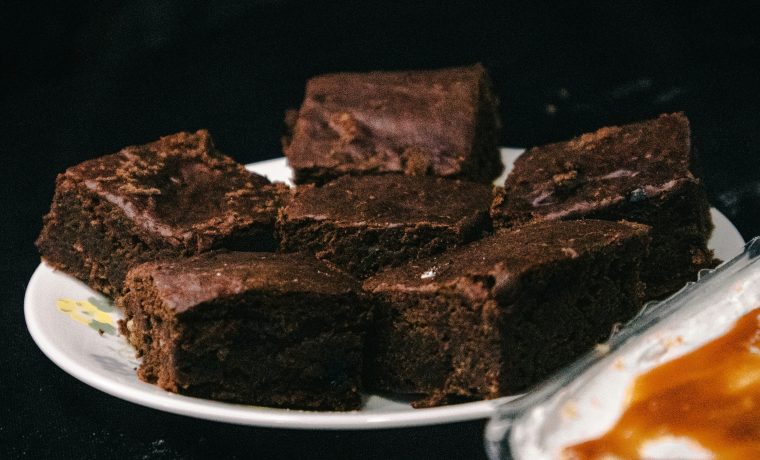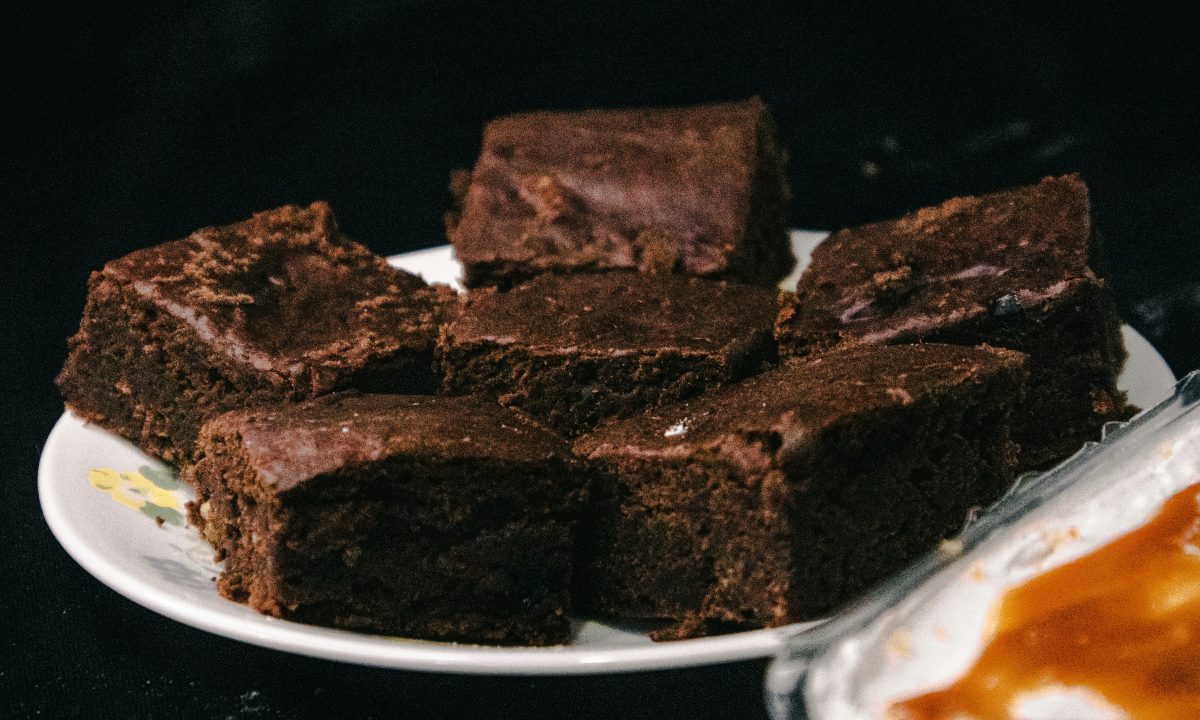
Chocolate and Citrus: A Dessert Pairing That Balances Richness is a useful subject to explore in a home kitchen because small decisions can make a noticeable difference to the final result. The aim is not to chase perfection, but to understand the choices behind a bake and make them repeatable. A dependable method gives you room to adapt flavors and presentation without losing the texture that makes the recipe work.
Understand the details first
A memorable dessert balances sweetness, richness, and texture. Consider whether the finished dish needs a crisp element, a fresh fruit note, or a little acidity to keep it from feeling heavy. Make components in the right order, allow enough cooling or chilling time, and add delicate toppings shortly before serving so their texture remains distinct.
Before starting, read the full method and set out the tools you need. Prepare the pan, measure ingredients, and check whether butter, eggs, or other ingredients need to reach a particular temperature. This preparation makes the process calmer and helps prevent a rushed substitution halfway through.
A practical method to follow
Work in a clear sequence. Measure dry ingredients accurately, combine ingredients in the order the recipe specifies, and avoid unnecessary mixing once flour has been added. Prepare the oven and pan before the final stage so the batter or dough does not sit longer than intended. If the mixture looks different from the description, pause and check the measurements before adding extra liquid or flour.
Use consistent portions when dividing dough or batter. Similar sizes bake at similar rates, making it easier to judge doneness. Leave enough room for expansion on the tray, and position pans so air can circulate around them. If your oven has a hot spot, make a note of it and rotate only when necessary.
Common mistakes to avoid
Changing several ingredients at once makes it difficult to learn from the result. Keep the first attempt close to the original method, then adjust one variable at a time. Overmixing, inaccurate flour measurement, an unsuitable pan, and an oven that has not fully preheated are frequent sources of disappointing texture. A timer is helpful, but it cannot replace visual and tactile cues.
When a bake is finished, allow it to cool as directed. Cakes and quick breads need time for their structure to settle; cookies may firm on the hot tray; chilled desserts need enough time to set. Cutting too early can make a perfectly good bake seem underdone. Plan cooling and finishing time as part of the recipe rather than treating it as an afterthought.
Make the result your own
Once the base method is reliable, experiment thoughtfully with flavor, toppings, or serving style. Keep additions in proportion so they do not overwhelm the structure. Write down the quantity you changed and what happened. This simple habit builds a personal collection of tested adjustments and makes it easier to repeat your favorite version.
For storage, cool completely before wrapping and choose an airtight container suited to the bake. Follow food-safety guidance for fillings and toppings containing dairy, eggs, or fresh fruit. Freeze suitable portions individually when you want to save time later, and label them with the date so they are easy to identify.
The takeaway
The most useful baking knowledge comes from combining a clear method with careful observation. Start with the fundamentals, respect the role of each ingredient, and make changes deliberately. With practice, the process becomes more predictable—and the finished bake becomes something you can confidently share.