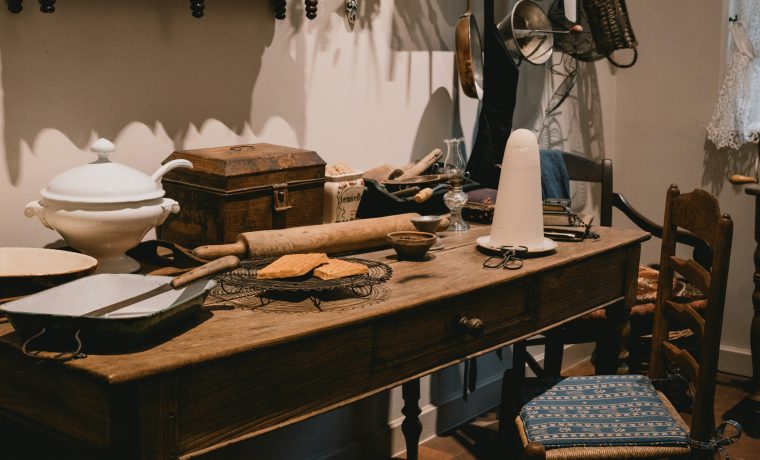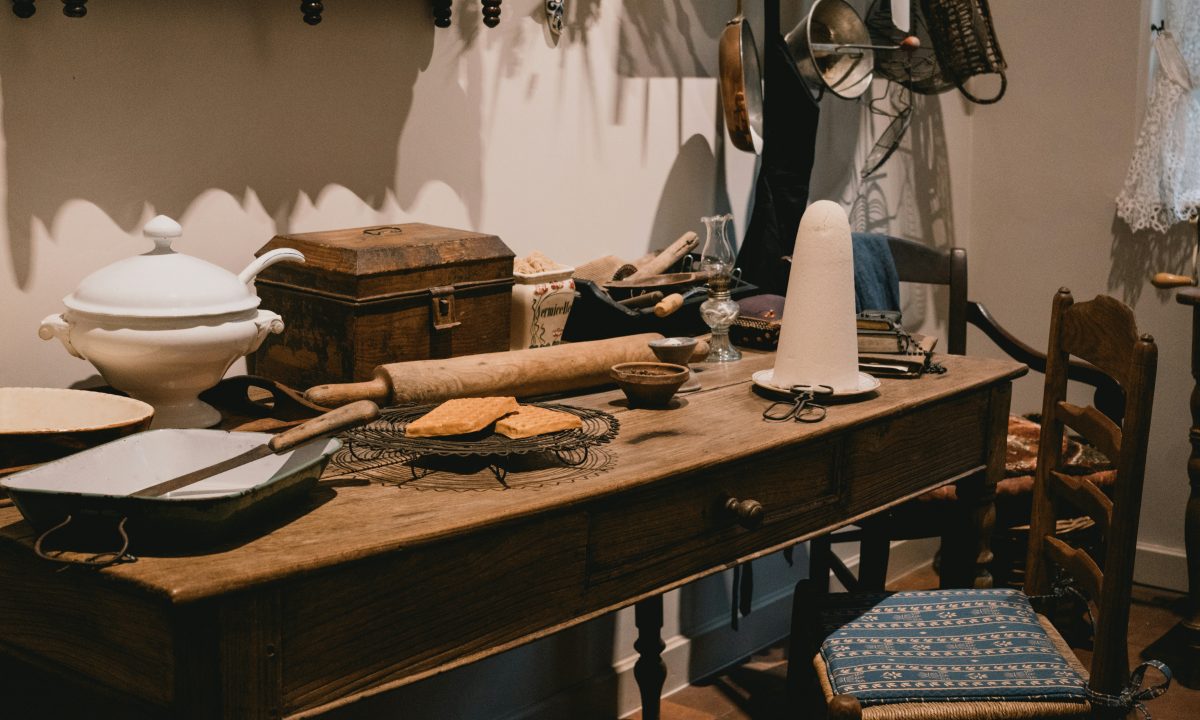
A neighborhood bake sale rarely depends on elaborate pastry work. Its charm comes from a table filled with homemade treats, handwritten labels, and people stopping to ask what is inside each tin. A tray of brownies can sit beside lemon squares, oatmeal cookies, and a simple loaf cake. The variety makes the table feel generous, while the shared effort gives the event its character.
For a home baker, preparing for a community sale is a chance to make familiar recipes for a wider audience. It is also a practical exercise in planning: choosing sturdy bakes, working out quantities, packaging portions, and making ingredient information easy to understand.
Pick recipes that travel well
Choose items that hold their shape at room temperature and can be portioned neatly. Cookies, brownies, blondies, loaf cakes, and sturdy muffins are often easier to transport than delicate cream-filled pastries. Avoid recipes that require refrigeration unless the event has reliable cold storage and clear food-handling arrangements.
Think about variety without making the workload too large. Two or three recipes in different flavors can create an inviting selection. For example, pair a chocolate bake with a citrus option and a simple spiced cookie. If several neighbors are contributing, agree on categories beforehand so the table does not end up with dozens of identical items.
Plan the baking schedule
Make a list of ingredients and check your pantry before shopping. Many bars and cookies can be baked a day ahead, while quick breads often slice more cleanly after cooling completely. Allow enough time for each item to cool before wrapping it; trapped steam can soften crisp edges and create condensation.
Use a clean, labeled container for each bake. Separate items with different flavors so strong spices or mint do not affect more delicate treats. If you are preparing several batches, label the containers as soon as they are packed rather than relying on memory later.
Make labels useful and welcoming
Each item should have a clear name and a practical ingredient note. Highlight common allergens such as wheat, eggs, milk, peanuts, and tree nuts when they are present, and be honest about possible cross-contact in a shared kitchen. Do not describe a bake as allergen-free unless the preparation process can genuinely support that claim.
Simple packaging is usually enough. Paper bags, food-safe boxes, and small parchment squares can keep portions tidy. A handwritten label adds warmth, but make sure the price and product name are easy to read.
Invite people into the story
A bake sale is more memorable when contributors share why they chose a recipe. Perhaps a loaf is a family favorite, or the cookies were the first thing someone learned to bake. A small card with that detail can spark conversation and help visitors connect with the people behind the table.
Keep the event accessible and low-pressure. Offer a range of portion sizes and prices if appropriate, and make it easy for volunteers to take breaks. If proceeds support a local cause, display clear information about the purpose and how funds will be used.
At the end of the day, a successful bake sale is measured in more than empty trays. It is a chance for neighbors to meet, exchange recipes, and contribute something made by hand. A simple cake can become part of a much larger story when it is shared across a community table.